From native riverways to the capital’s grand avenues
Each stop on the bus is a page in a story that stretches from pre‑colonial times, through the founding of the Republic, to the public rituals and protests of today.
Table of Contents
Native lands & the birth of a capital

Long before the federal city was surveyed, the Potomac’s tidal shoreline and hardwood uplands were home to many Indigenous communities whose seasonal movements and trade shaped the landscape. European colonization overlaid farms, plantations, and port towns upon those patterns. By the late 18th century, political decisions turned this stretch of river into the symbolic and practical site for a new national capital, a place chosen in part to balance regional interests and to anchor a young republic with monumental architecture.
The choice of this site set the stage for a centuries‑long project: crafting national identity through buildings and public space. That project changed the land—marshes were filled, streets were cut, and an urban grid was grafted onto riverine geographies—but it also created a public stage where the nation’s convictions, tensions, and celebrations would play out in full view.
Designing the capital: L’Enfant’s plan
Pierre Charles L’Enfant’s 1791 plan imagined broad avenues, ceremonial axes, and prominent sites for public buildings—an almost theatrical framework designed to express republican ideals. Although his original vision was modified over time, the Mall’s long sightlines, the placement of the Capitol, and the alignment of memorials still reflect that early ambition to make the capital a readable civic landscape.
Over two centuries, architects and planners have added layers—neoclassical courthouses, modernist federal buildings, and landscaped parks—each illustrating a moment in how the nation wanted to represent itself. Riding the hop‑on hop‑off route, you’ll pass these choices in quick succession, giving a compact lesson in American civic symbolism.
The Mall, monuments & memorials
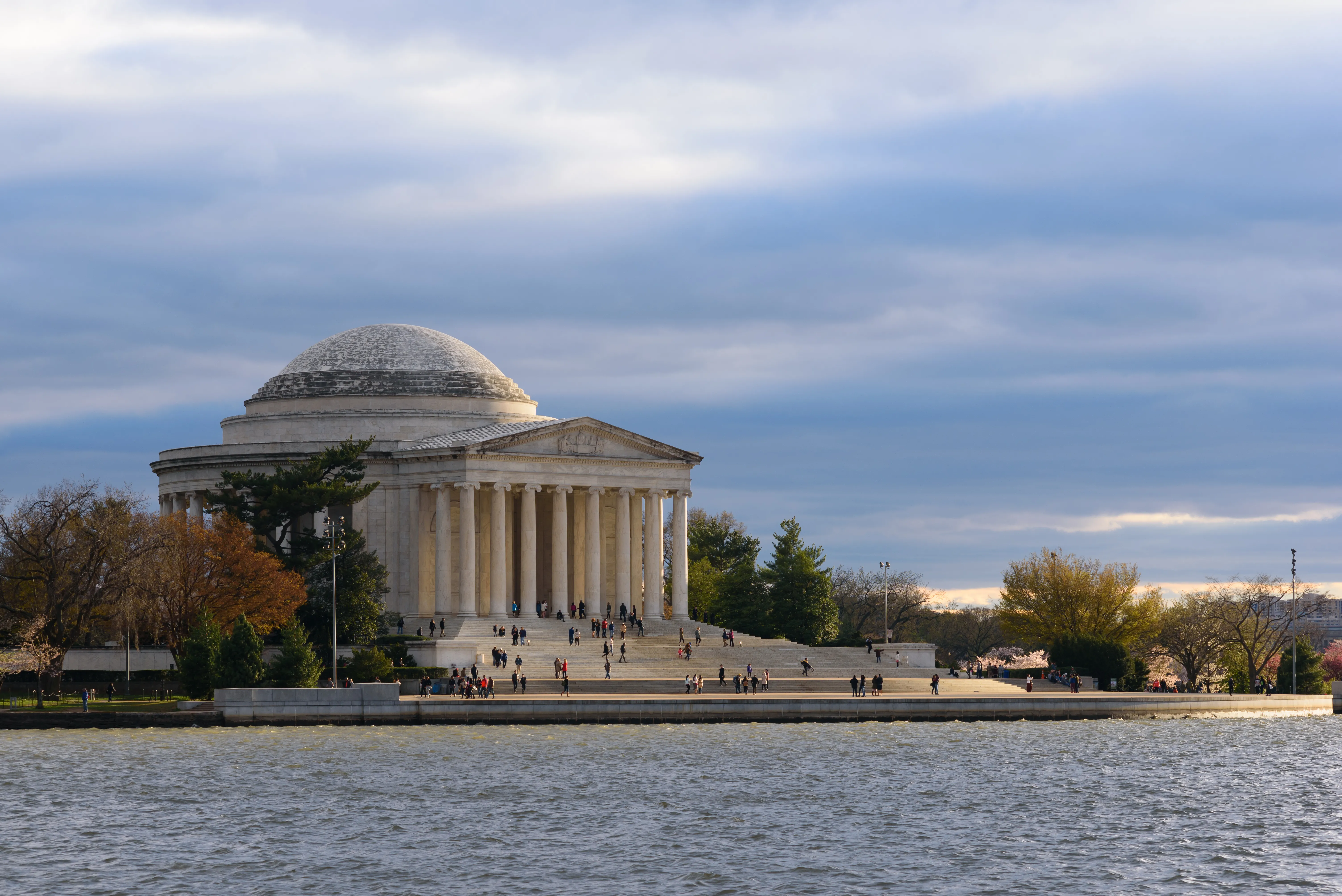
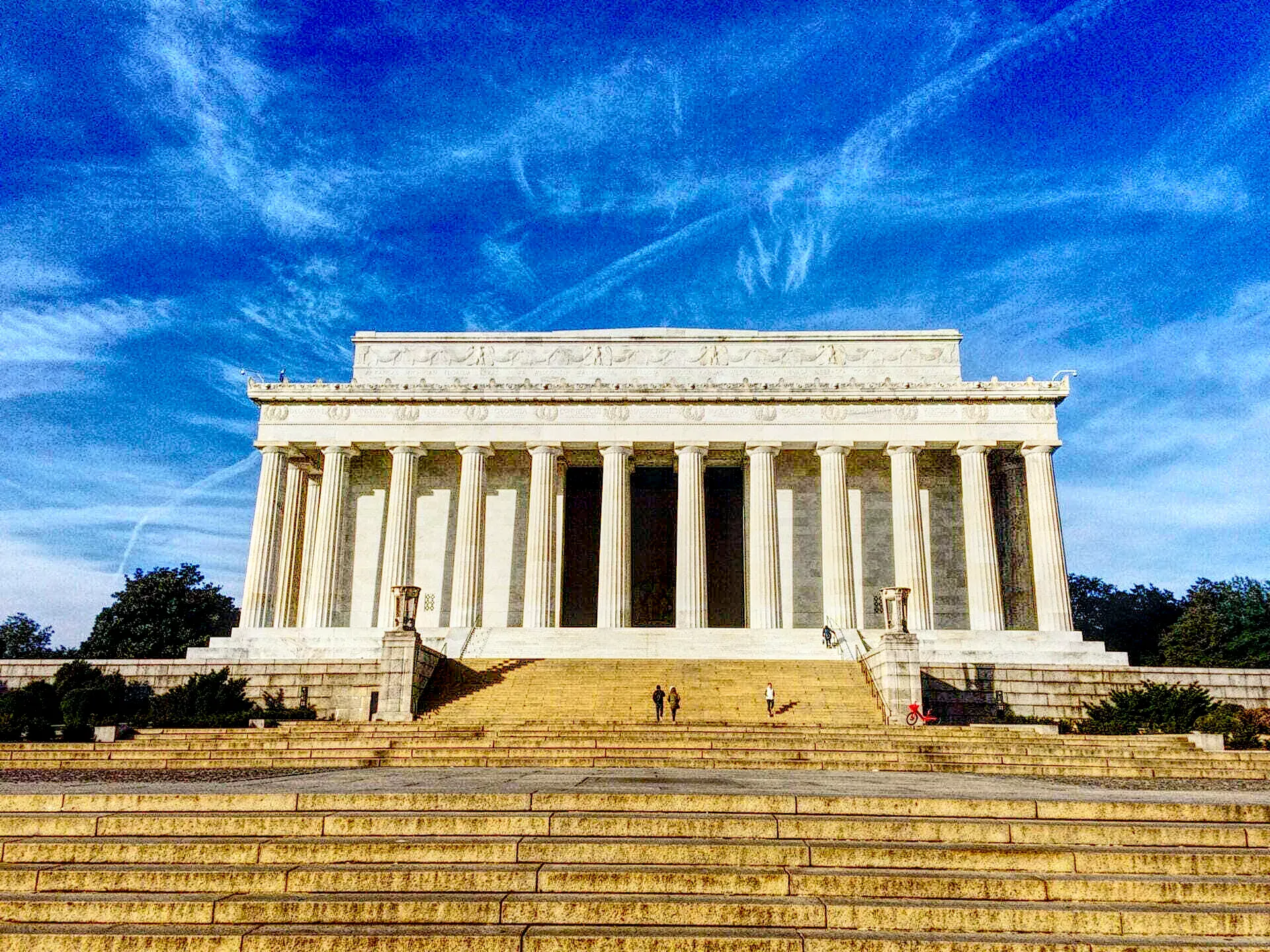
The Mall is a palimpsest of memory: statues, museums, and memorials mark events and people that matter to national identity. The Lincoln Memorial’s quiet, columned dignity; the Vietnam Veterans Memorial’s polished names; the reflective narratives of the WWII and Martin Luther King Jr. Memorial—each site tells a different kind of story about sacrifice, democracy, and the work of remembrance.
Because the Mall is a public space, it’s also where citizens convene—protests, marches, presidential inaugurations, and festivals all find their stage here. The hop‑on hop‑off bus is a practical way to see these monuments and to step off for moments of reflection or for guided tours that probe the histories behind the stone and bronze.
Museums, collections & civic culture

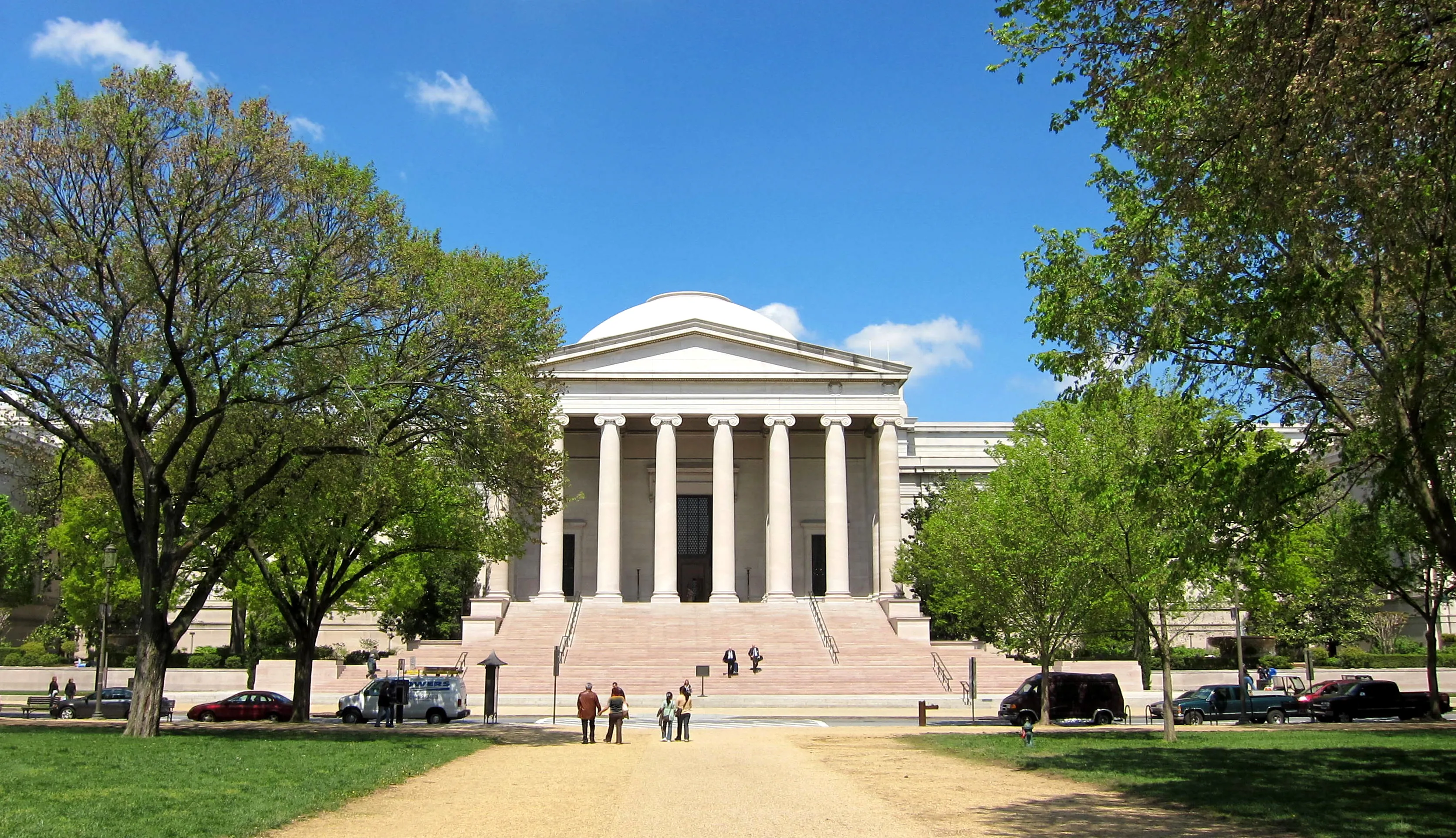
The Smithsonian Institution’s constellation of museums forms one of the richest public collections in the world. From the Air and Space Museum’s gleaming craft to the National Museum of American History’s objects of everyday life, the museums on and near the Mall treat technology, culture, and politics as parts of a shared national story.
Many museums are free and deserve hours rather than minutes. The hop‑on hop‑off model helps you sample different museums in one day without losing time to transport logistics—hop off for a deep dive, then hop back on to carry on exploring.
Across the Potomac: Arlington & riverside

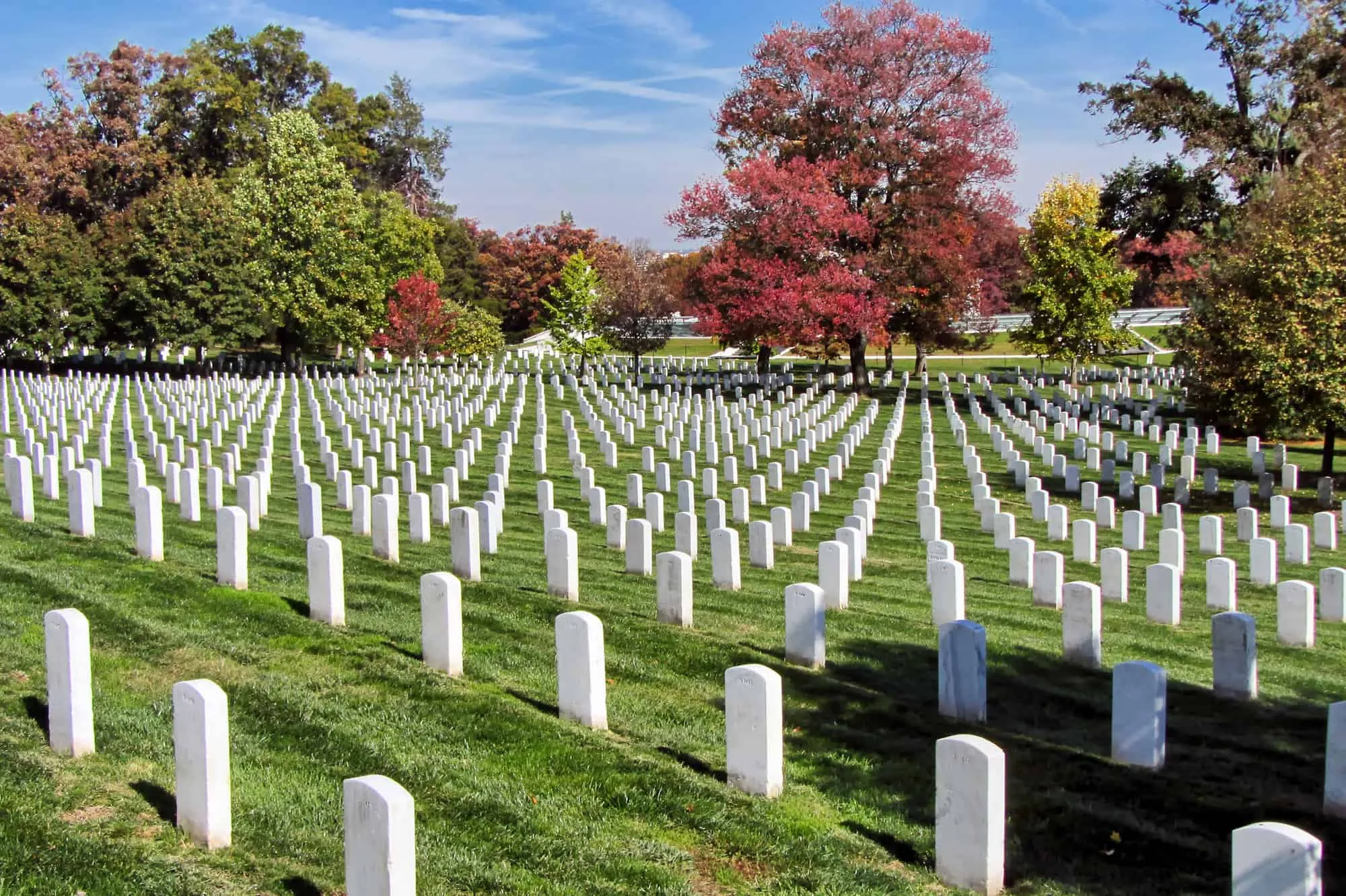
The river is both an edge and a companion to the city. Across its banks in Arlington, the national cemetery and memorials form a quiet counterpart to the Mall’s ceremonial bustle. Riverside parks, the Wharf, and the growing developments along the water show how the city and its neighbors reuse waterfronts for recreation, remembrance, and commerce.
A hop‑on hop‑off loop that includes the riverfront gives you both wide vistas and human‑scale neighborhoods—perfect for a late afternoon when light and tide make the Potomac especially beautiful.
Neighborhood life: Georgetown to U Street
Step away from monuments and you find the city’s neighborhoods: Georgetown’s colonial houses and canal, U Street’s jazz legacy, Dupont Circle’s embassies and cafes, and Adams Morgan’s lively dining scene. Each district carries its own history and local rhythm, and the bus makes it easy to move between them without losing time on transfers.
Exploring these neighborhoods on foot lets you meet the city’s contemporary life—bookstores, independent galleries, and restaurants—so plan a lunch stop in a neighborhood market before hopping back on.
Transit, bridges & regional connections
Washington sits within a dense regional network: Metro lines, commuter rail, and bridges knit D.C. together with Virginia and Maryland. While the hop‑on hop‑off bus is focused on sightseeing, it plugs into this transport web—use it alongside Metro and Circulator buses to extend your day beyond the Mall.
Regional planning and occasional traffic mean timing matters, but the comfort of a dedicated sightseeing service is that it removes the mental load of transfers so you can concentrate on the views and stories.
Crowds, security & accessibility

Because the Mall and government precincts host major events, security checkpoints, temporary road closures, and occasional restricted access are part of the reality. Buses may be rerouted for security. Check operator notices on event days and allow time for walking between nearby stops if closures are in effect.
Accessibility is a priority: many vehicles are step‑free, and major attractions provide accessible routes. Still, cobblestones, steps at older sites, and long distances can make planning essential for visitors who need step‑free options—contact operators or visitor centers in advance to build an accessible itinerary.
Ceremony, protest & public ritual

The Mall is a national stage: inaugurations, protests, vigils, and public festivals use its vast open space to speak to the country. That publicness is part of what makes a visit to D.C. feel alive—expect the unexpected: a march, a commemorative event, or a musical performance could give your day an unforgettable moment.
Because events can reshape access, it’s wise to check calendars—especially around national holidays—so you can pick a day when your intended stops are open and reachable.
Tickets, tours & smart itineraries

Use the hop‑on hop‑off bus as a backbone: map the monuments you most want to see, schedule time for a major museum, and leave lounging time for neighborhoods like Georgetown or the Wharf. Consider timed exhibits and guided tours when planning the day.
A well‑timed 24‑hour pass can let you catch a morning museum, an afternoon of memorials, and an evening waterfront meal—pack the day thoughtfully and you’ll get a rich, non‑rushed experience.
Conservation, memory & changing landscapes

Monuments and museums require constant care: conservation projects, interpretive updates, and occasional controversial reassessments of which stories are told. Visiting with curiosity—and using official tours and museum materials—helps you engage with these living conversations about memory and history.
Responsible visitation—staying on paths, following guidelines around memorials, and supporting museum entry fees where charged—helps preserve these places for future visitors.
Side trips: Mount Vernon to the Chesapeake

If you have time, use the bus as a launchpad: Mount Vernon, the Chesapeake Bay, Arlington’s cemetery and trails, or the Newseum‑adjacent neighborhoods offer memorable extensions to your Mall day. Many partners offer combined tickets or easy transit options to reach these sites.
A short ferry or Metro ride can convert a sightseeing loop into a multi‑scenic day—river views, hillside cemeteries, and colonial plantations all lie close enough for a satisfying half‑day or full‑day excursion.
Why a bus ride reveals the city
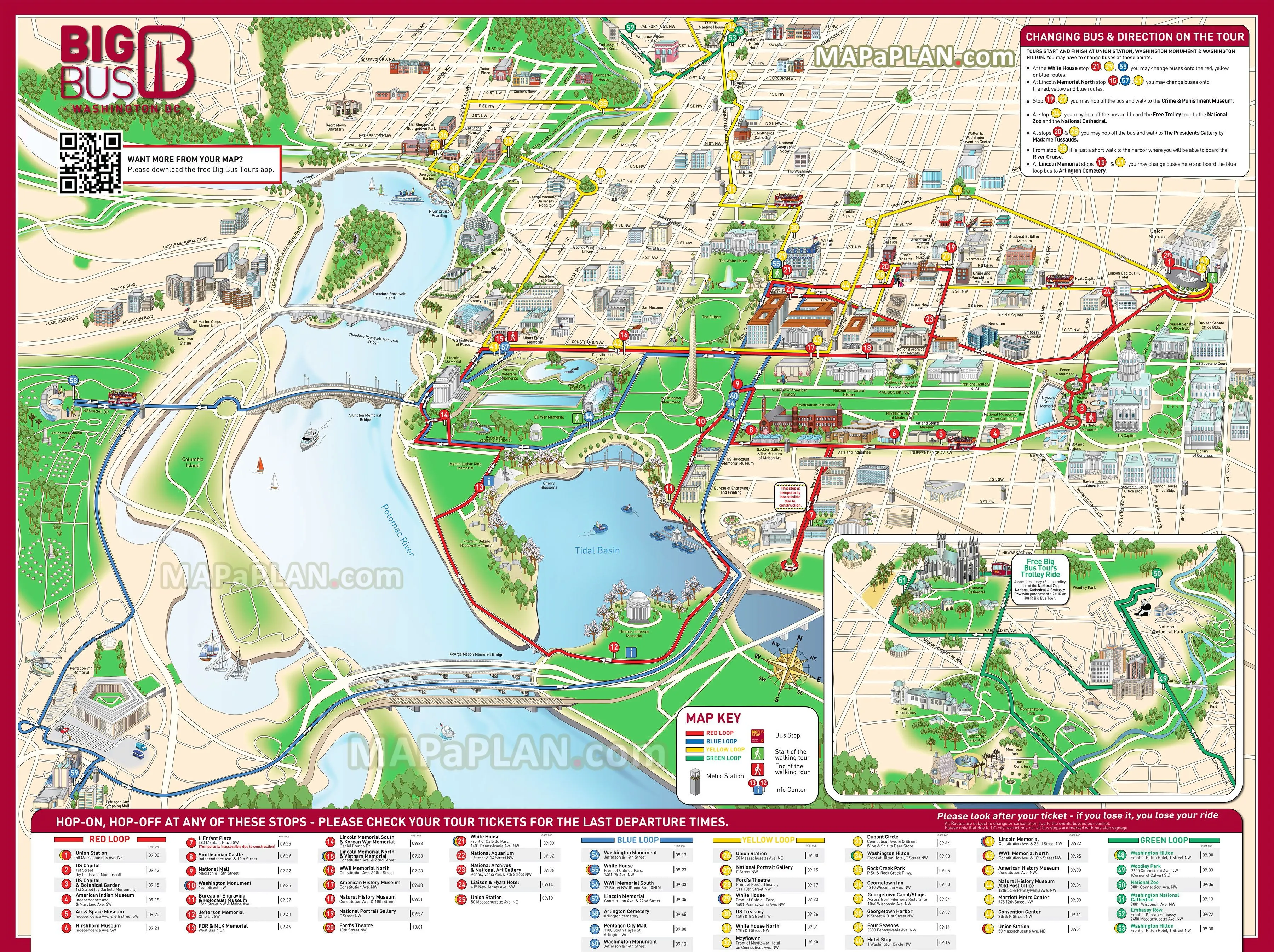
A hop‑on hop‑off bus stitches together scales of Washington: monumental architecture, intimate museums, neighborhood streets, and riverside promenades. Riding the route gives you a moving orientation to the city’s spatial logic and invites you to choose where to linger.
By the end of the day you’ll have more than photos; you’ll have an unfolding narrative: sites of governance and grief, of invention and public life, each one easier to connect when you can physically step between them without the hassle of transfers.
Table of Contents
Native lands & the birth of a capital
Long before the federal city was surveyed, the Potomac’s tidal shoreline and hardwood uplands were home to many Indigenous communities whose seasonal movements and trade shaped the landscape. European colonization overlaid farms, plantations, and port towns upon those patterns. By the late 18th century, political decisions turned this stretch of river into the symbolic and practical site for a new national capital, a place chosen in part to balance regional interests and to anchor a young republic with monumental architecture.
The choice of this site set the stage for a centuries‑long project: crafting national identity through buildings and public space. That project changed the land—marshes were filled, streets were cut, and an urban grid was grafted onto riverine geographies—but it also created a public stage where the nation’s convictions, tensions, and celebrations would play out in full view.
Designing the capital: L’Enfant’s plan
Pierre Charles L’Enfant’s 1791 plan imagined broad avenues, ceremonial axes, and prominent sites for public buildings—an almost theatrical framework designed to express republican ideals. Although his original vision was modified over time, the Mall’s long sightlines, the placement of the Capitol, and the alignment of memorials still reflect that early ambition to make the capital a readable civic landscape.
Over two centuries, architects and planners have added layers—neoclassical courthouses, modernist federal buildings, and landscaped parks—each illustrating a moment in how the nation wanted to represent itself. Riding the hop‑on hop‑off route, you’ll pass these choices in quick succession, giving a compact lesson in American civic symbolism.
The Mall, monuments & memorials
The Mall is a palimpsest of memory: statues, museums, and memorials mark events and people that matter to national identity. The Lincoln Memorial’s quiet, columned dignity; the Vietnam Veterans Memorial’s polished names; the reflective narratives of the WWII and Martin Luther King Jr. Memorial—each site tells a different kind of story about sacrifice, democracy, and the work of remembrance.
Because the Mall is a public space, it’s also where citizens convene—protests, marches, presidential inaugurations, and festivals all find their stage here. The hop‑on hop‑off bus is a practical way to see these monuments and to step off for moments of reflection or for guided tours that probe the histories behind the stone and bronze.
Museums, collections & civic culture
The Smithsonian Institution’s constellation of museums forms one of the richest public collections in the world. From the Air and Space Museum’s gleaming craft to the National Museum of American History’s objects of everyday life, the museums on and near the Mall treat technology, culture, and politics as parts of a shared national story.
Many museums are free and deserve hours rather than minutes. The hop‑on hop‑off model helps you sample different museums in one day without losing time to transport logistics—hop off for a deep dive, then hop back on to carry on exploring.
Across the Potomac: Arlington & riverside
The river is both an edge and a companion to the city. Across its banks in Arlington, the national cemetery and memorials form a quiet counterpart to the Mall’s ceremonial bustle. Riverside parks, the Wharf, and the growing developments along the water show how the city and its neighbors reuse waterfronts for recreation, remembrance, and commerce.
A hop‑on hop‑off loop that includes the riverfront gives you both wide vistas and human‑scale neighborhoods—perfect for a late afternoon when light and tide make the Potomac especially beautiful.
Neighborhood life: Georgetown to U Street
Step away from monuments and you find the city’s neighborhoods: Georgetown’s colonial houses and canal, U Street’s jazz legacy, Dupont Circle’s embassies and cafes, and Adams Morgan’s lively dining scene. Each district carries its own history and local rhythm, and the bus makes it easy to move between them without losing time on transfers.
Exploring these neighborhoods on foot lets you meet the city’s contemporary life—bookstores, independent galleries, and restaurants—so plan a lunch stop in a neighborhood market before hopping back on.
Transit, bridges & regional connections
Washington sits within a dense regional network: Metro lines, commuter rail, and bridges knit D.C. together with Virginia and Maryland. While the hop‑on hop‑off bus is focused on sightseeing, it plugs into this transport web—use it alongside Metro and Circulator buses to extend your day beyond the Mall.
Regional planning and occasional traffic mean timing matters, but the comfort of a dedicated sightseeing service is that it removes the mental load of transfers so you can concentrate on the views and stories.
Crowds, security & accessibility
Because the Mall and government precincts host major events, security checkpoints, temporary road closures, and occasional restricted access are part of the reality. Buses may be rerouted for security. Check operator notices on event days and allow time for walking between nearby stops if closures are in effect.
Accessibility is a priority: many vehicles are step‑free, and major attractions provide accessible routes. Still, cobblestones, steps at older sites, and long distances can make planning essential for visitors who need step‑free options—contact operators or visitor centers in advance to build an accessible itinerary.
Ceremony, protest & public ritual
The Mall is a national stage: inaugurations, protests, vigils, and public festivals use its vast open space to speak to the country. That publicness is part of what makes a visit to D.C. feel alive—expect the unexpected: a march, a commemorative event, or a musical performance could give your day an unforgettable moment.
Because events can reshape access, it’s wise to check calendars—especially around national holidays—so you can pick a day when your intended stops are open and reachable.
Tickets, tours & smart itineraries
Use the hop‑on hop‑off bus as a backbone: map the monuments you most want to see, schedule time for a major museum, and leave lounging time for neighborhoods like Georgetown or the Wharf. Consider timed exhibits and guided tours when planning the day.
A well‑timed 24‑hour pass can let you catch a morning museum, an afternoon of memorials, and an evening waterfront meal—pack the day thoughtfully and you’ll get a rich, non‑rushed experience.
Conservation, memory & changing landscapes
Monuments and museums require constant care: conservation projects, interpretive updates, and occasional controversial reassessments of which stories are told. Visiting with curiosity—and using official tours and museum materials—helps you engage with these living conversations about memory and history.
Responsible visitation—staying on paths, following guidelines around memorials, and supporting museum entry fees where charged—helps preserve these places for future visitors.
Side trips: Mount Vernon to the Chesapeake
If you have time, use the bus as a launchpad: Mount Vernon, the Chesapeake Bay, Arlington’s cemetery and trails, or the Newseum‑adjacent neighborhoods offer memorable extensions to your Mall day. Many partners offer combined tickets or easy transit options to reach these sites.
A short ferry or Metro ride can convert a sightseeing loop into a multi‑scenic day—river views, hillside cemeteries, and colonial plantations all lie close enough for a satisfying half‑day or full‑day excursion.
Why a bus ride reveals the city
A hop‑on hop‑off bus stitches together scales of Washington: monumental architecture, intimate museums, neighborhood streets, and riverside promenades. Riding the route gives you a moving orientation to the city’s spatial logic and invites you to choose where to linger.
By the end of the day you’ll have more than photos; you’ll have an unfolding narrative: sites of governance and grief, of invention and public life, each one easier to connect when you can physically step between them without the hassle of transfers.